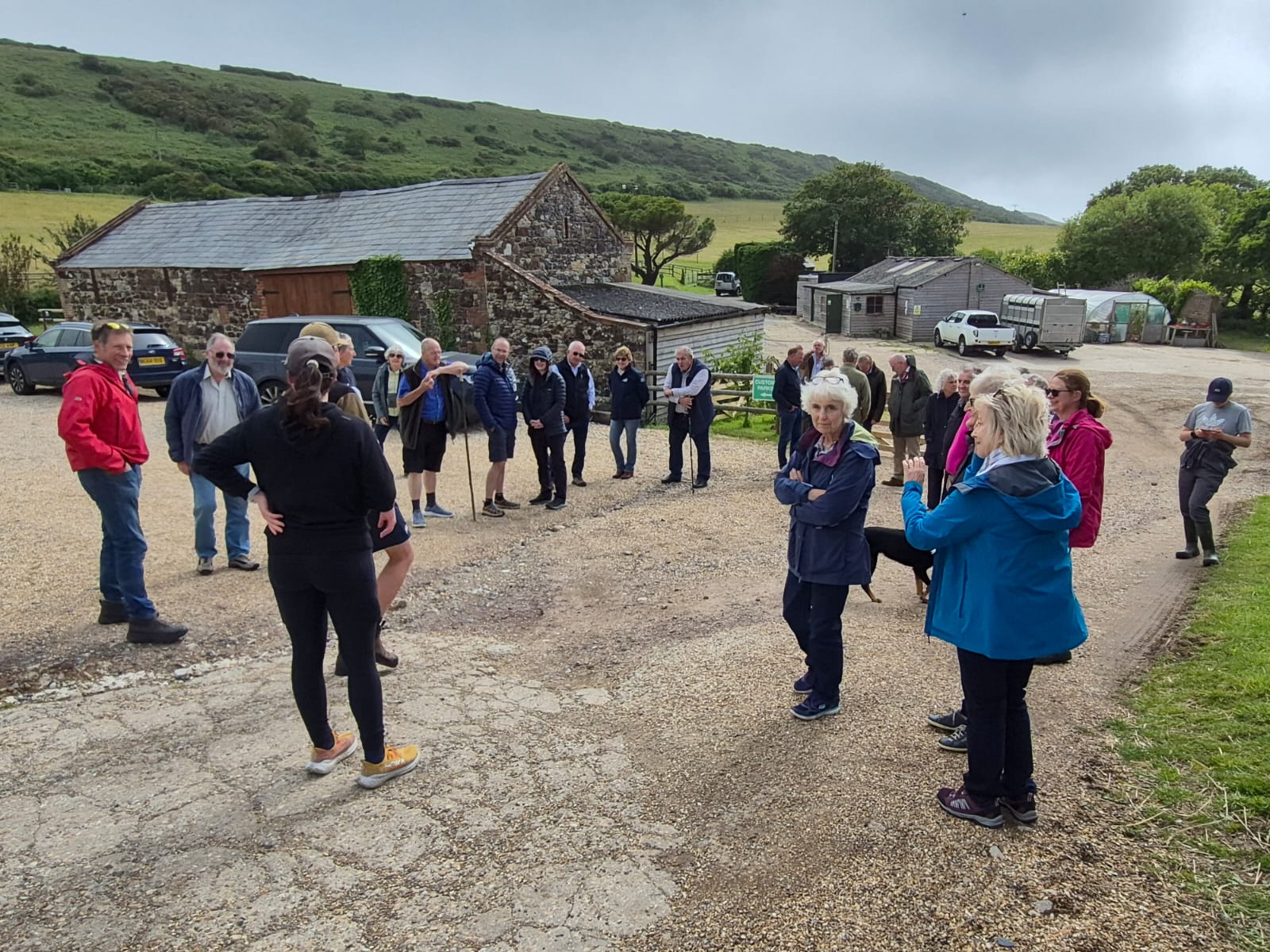
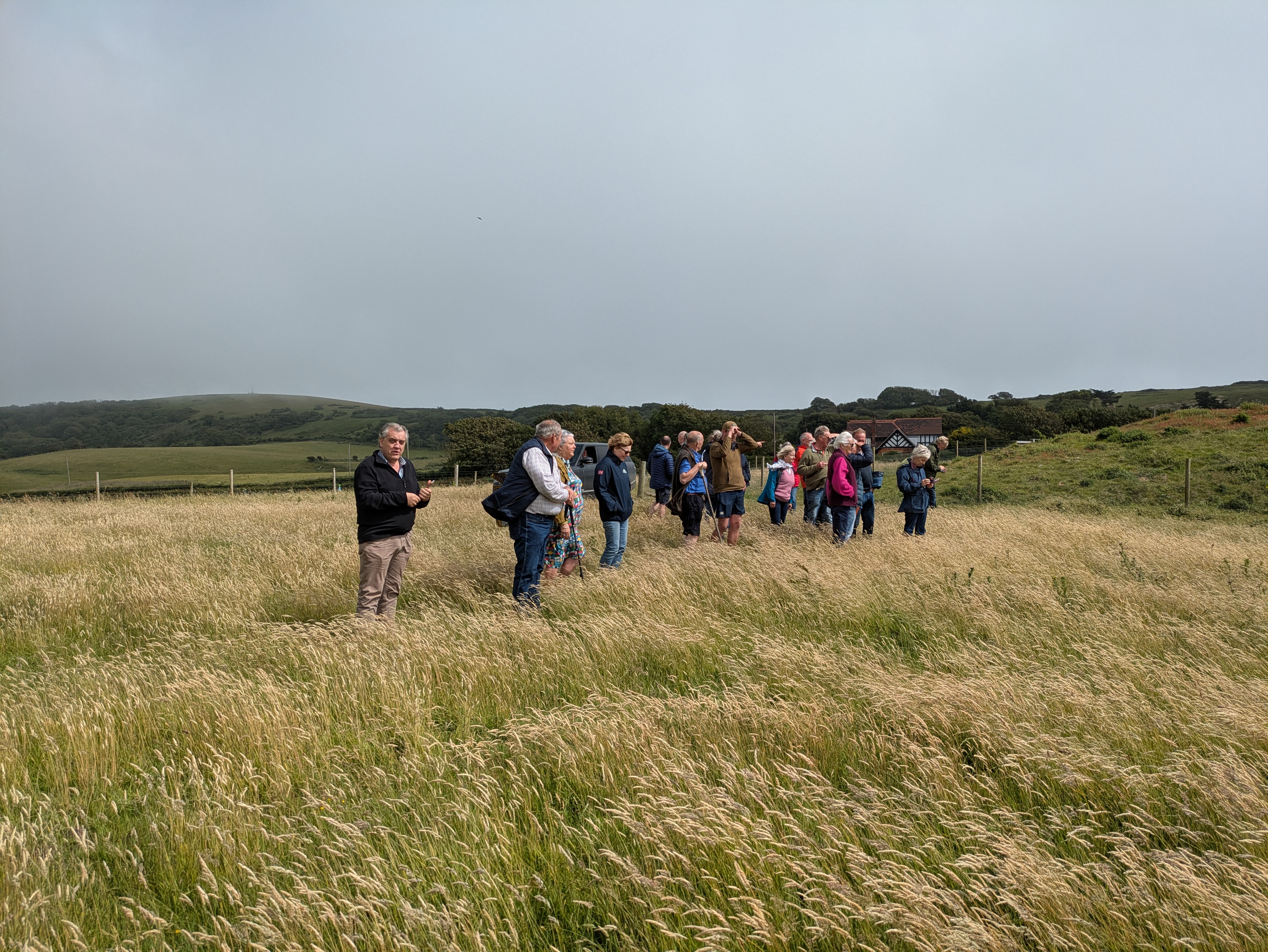
Oli and Diana Pipe led the tour “abroad” to the Isle of Wight. The wet weather of early June cleared just in time to let us enjoy the visits without having to resort to raincoats! 27 of us travelled down with various of us arriving early or staying later to take in other sites outside of the tour.
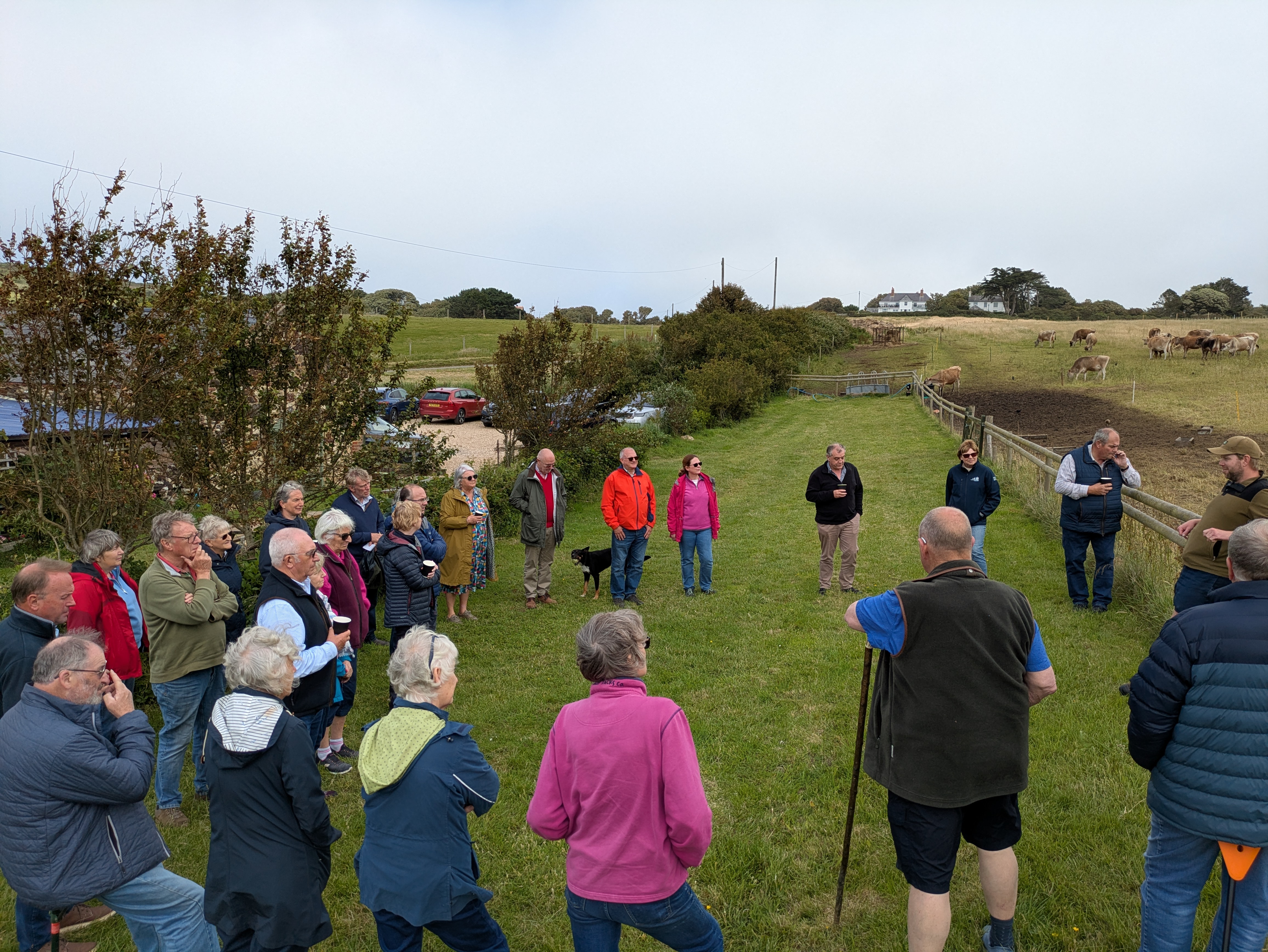
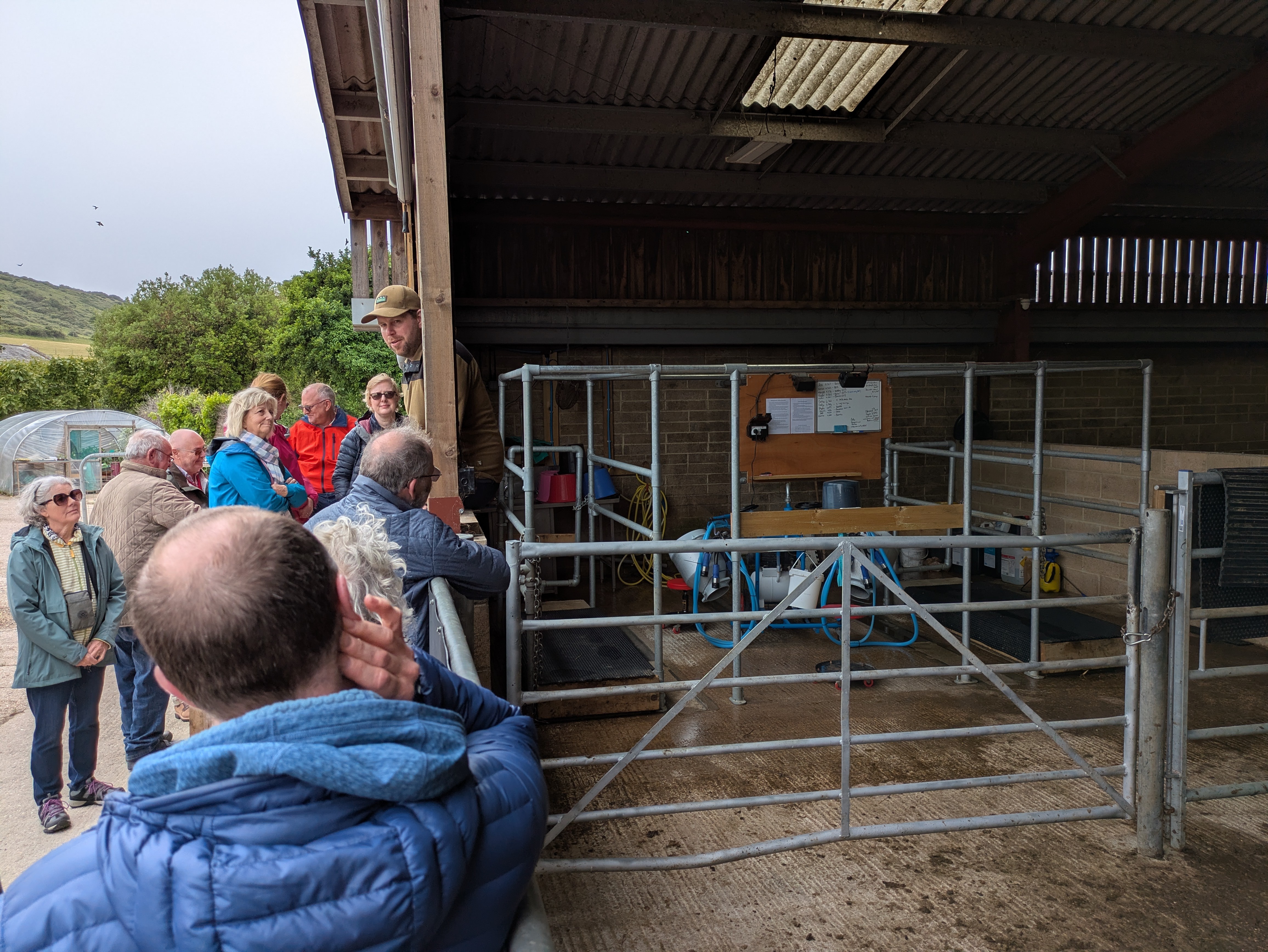
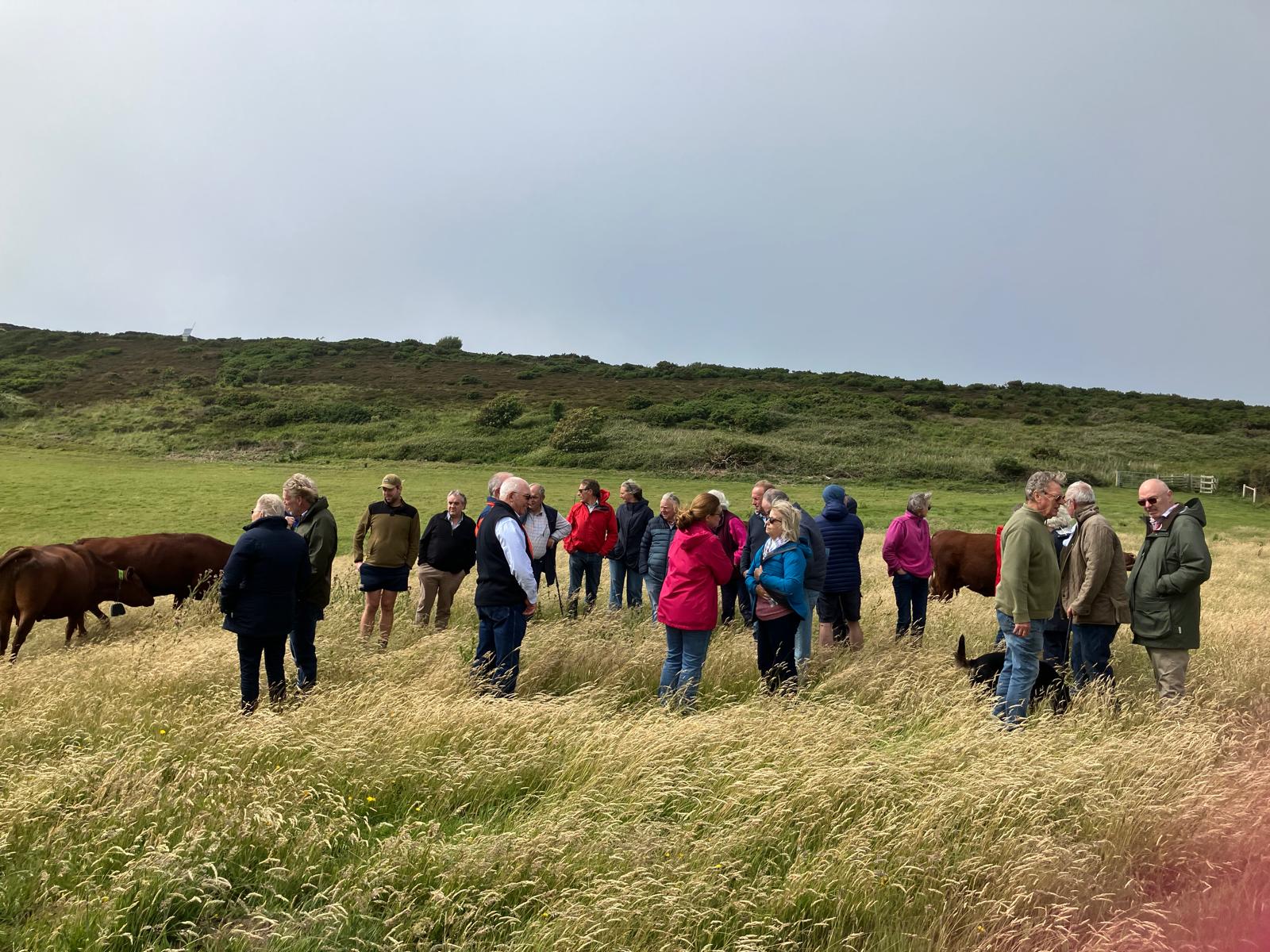
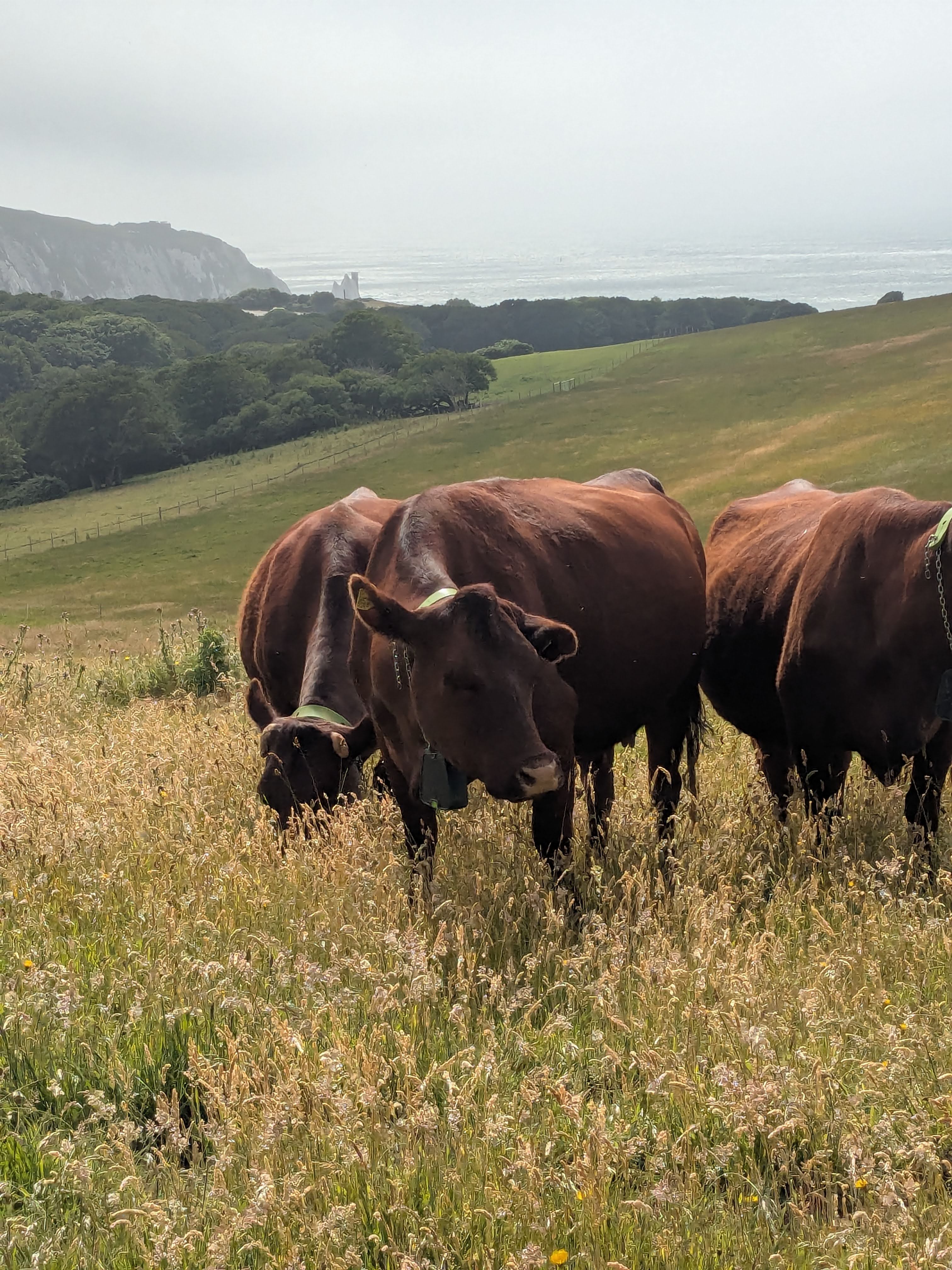
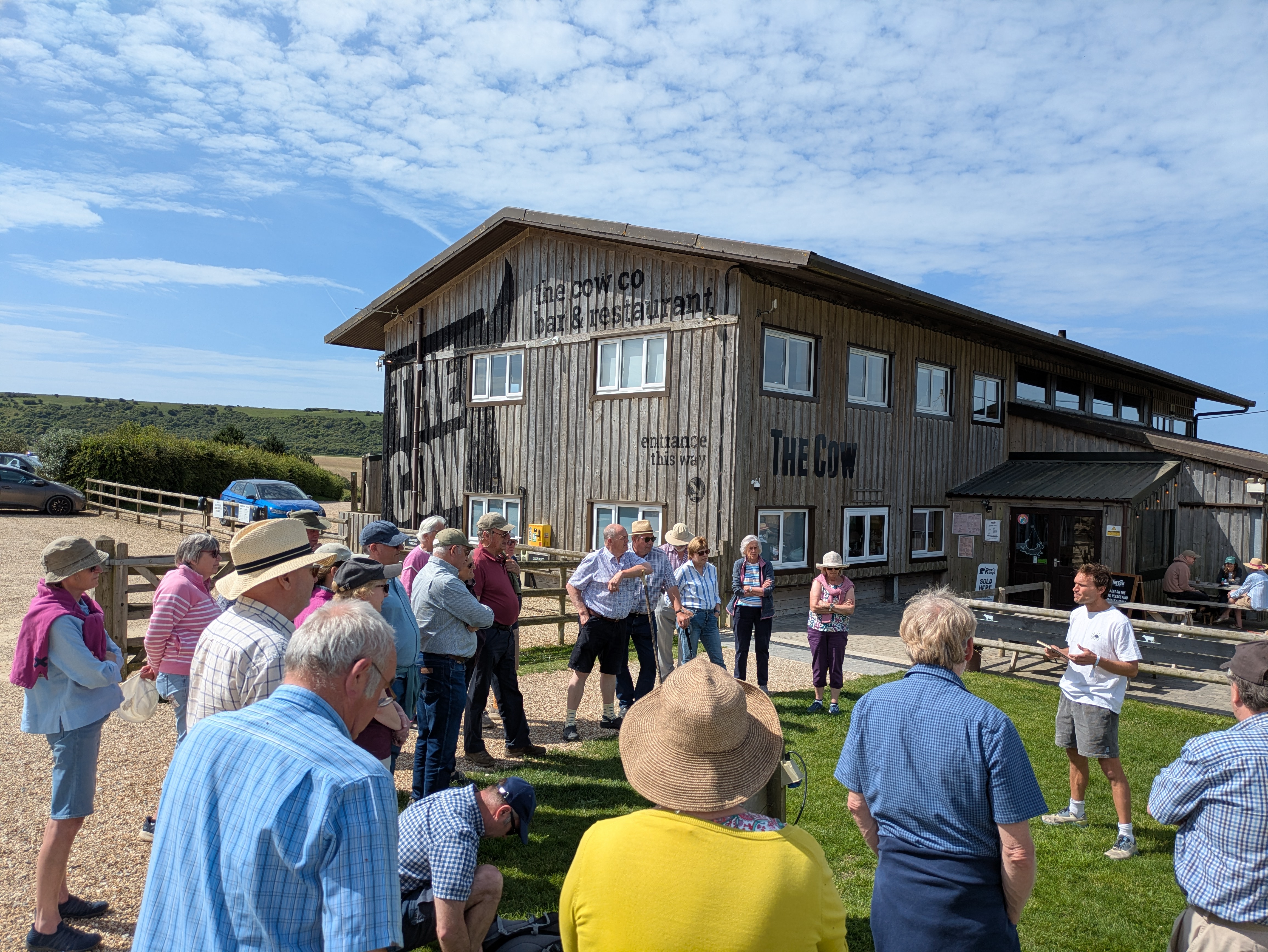
First to host us was James and Becca at Warren Farm. Farming next to the Needles provided both opportunities and challenges with most of the farm being downland with shallow soil. The farm had evolved over the years from a traditional dairy farm, to cattle, and now back to a micro dairy. With a good relationship with their national trust landlords, James and Becca have shaped the business around the landscape they have. Conservation grazing the higher downs with Sussex cattle to help restore the balance of flora and fauna. The dairy herd has a lineage traced back from Queen Victoria’s Guernsey herd at Osbourne House. Their system of keeping the calves afoot and milking to meet the demand for milk from their farm shop and other outlets on the island gives them a useful management tool. Finished calves are butchered on the island and sold through the farm shop too.
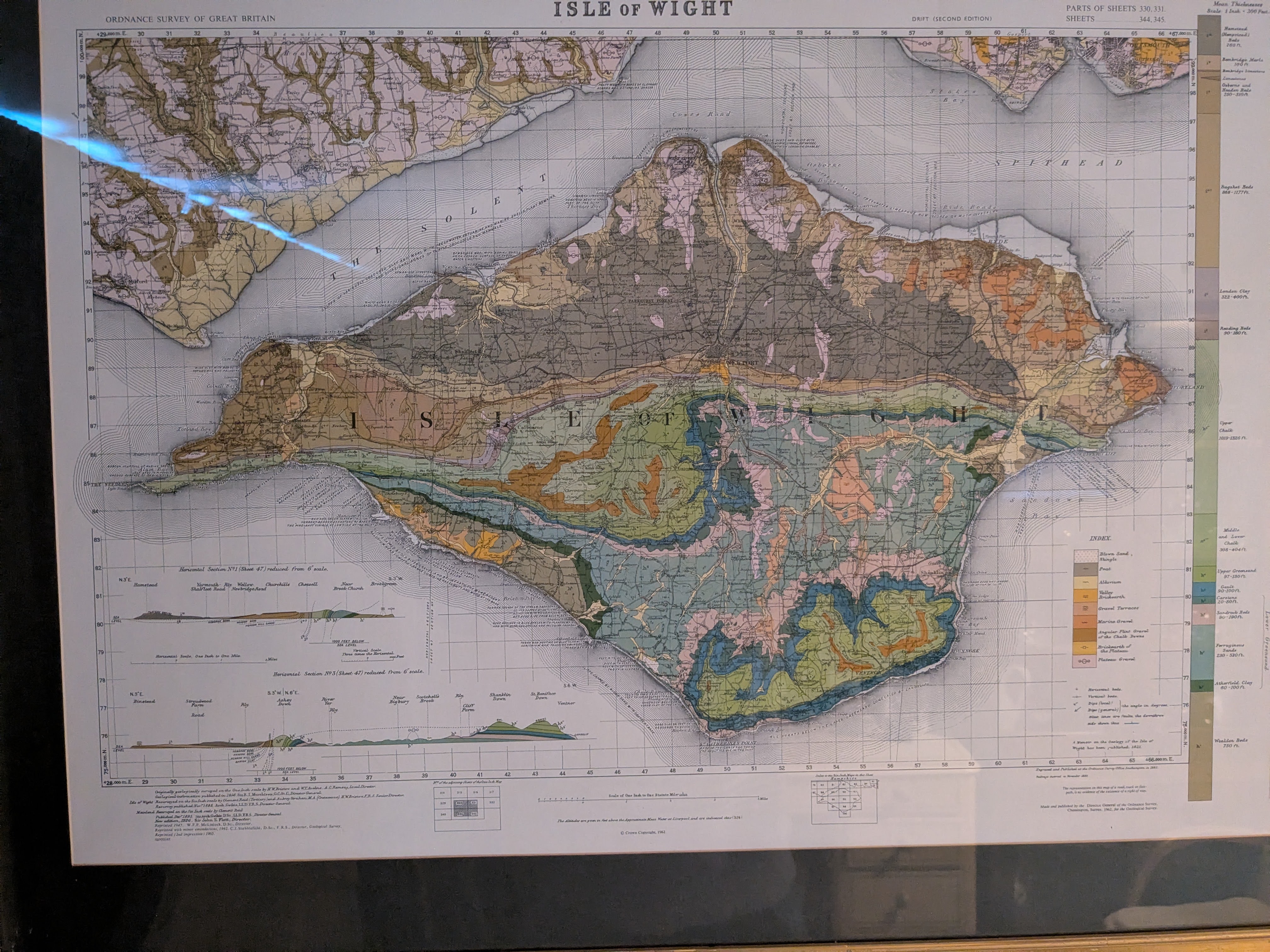
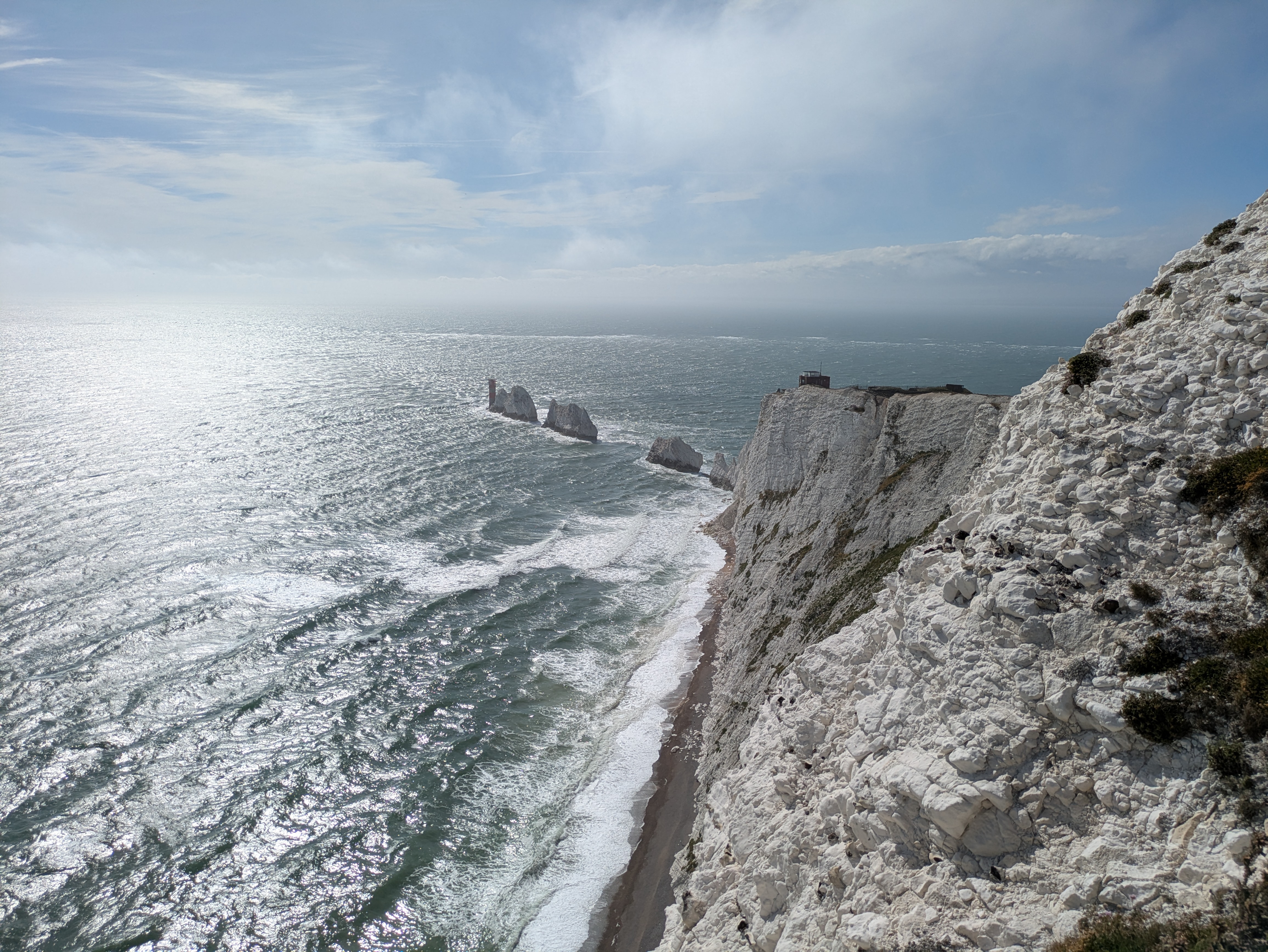
Popping literally around the corner we then took in the view of the iconic Needles. The views on the walk up showed off the varied geology of the island with the different colours of Alum bay cliffs showing the different make up of them in contrast to the chalk seam that ends at the Needles.
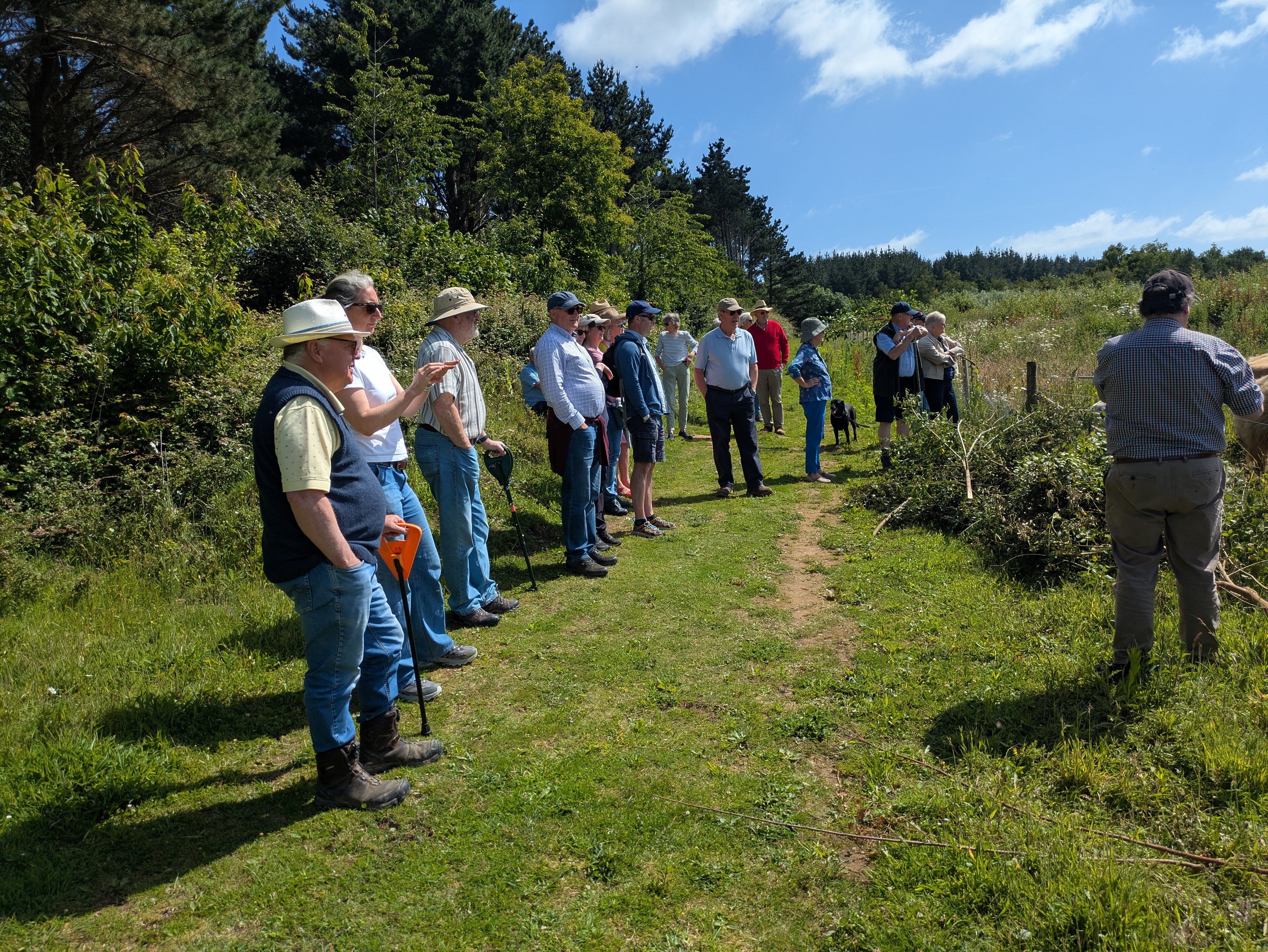
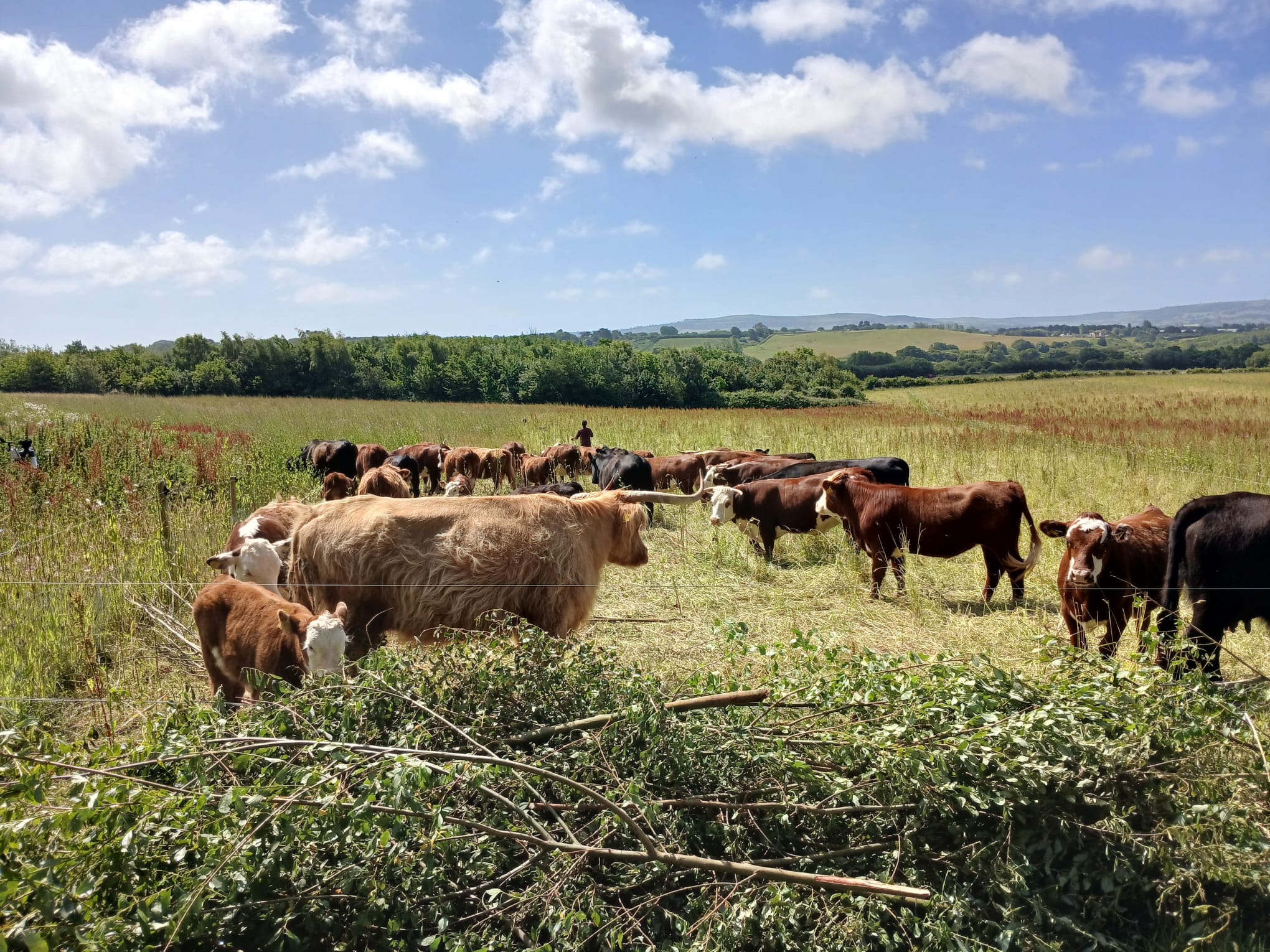
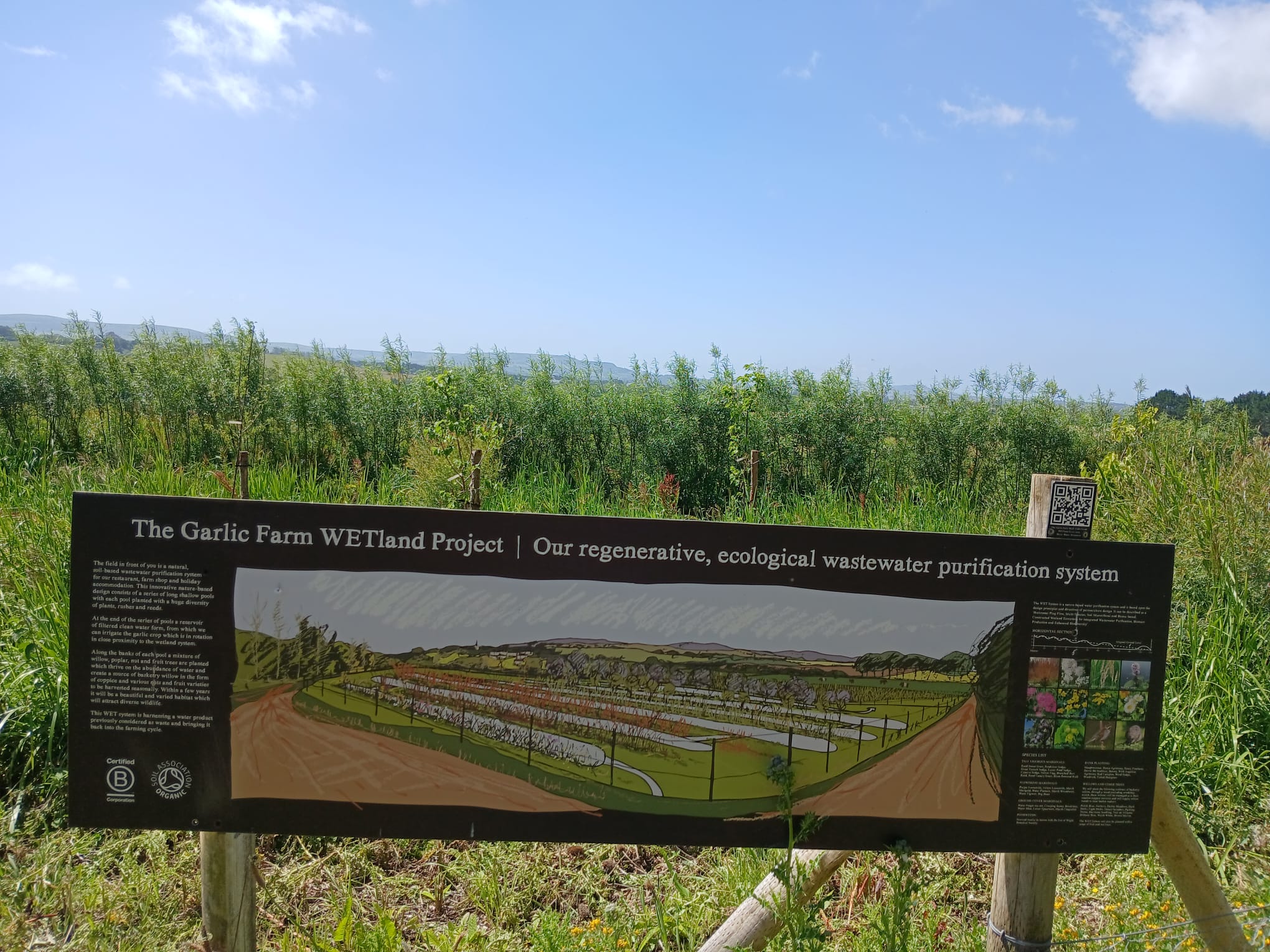
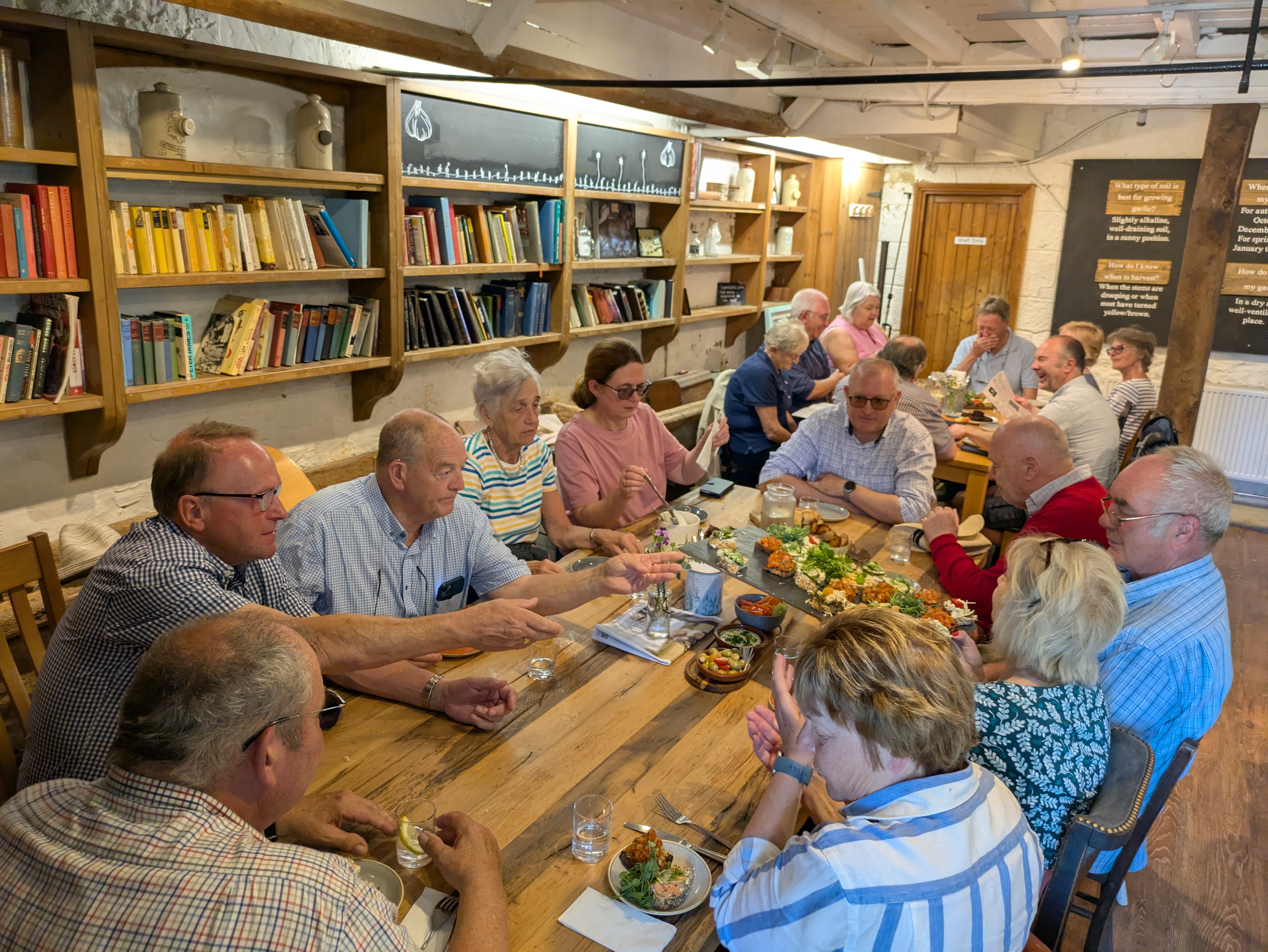
Saturday saw us take in the views from Culver down at the east end of the island, before heading down into the Arreton valley to meet Natasha and Barnes at the Garlic Farm. A diverse family business with a heritage going back over 50 years for beginnings in the farm kitchen garden. With a bustling farm shop, restaurant, holiday lets and garlic product range its a busy place. Recent conversion to Organic status has forced a reset to mixed farming with cattle mob grazing the fields to improve the soil in between the years that garlic is grown in the rotation. A wetland sewage treatment system has recently replaced the reliance on frequent septic tank empties and I’m sure more projects are in the pipeline.
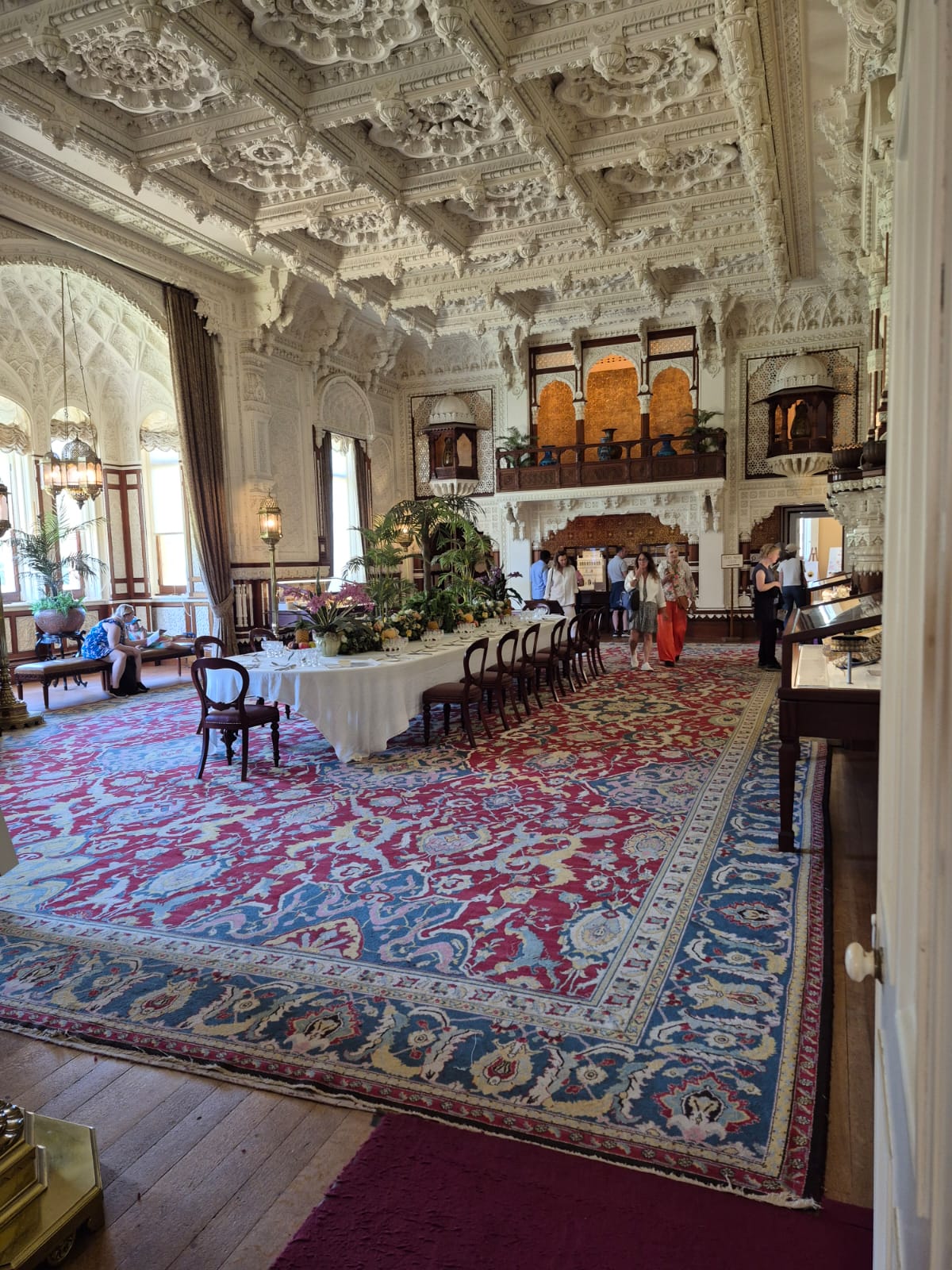
Following a delicious garlicy lunch we moved on to visit Osbourne House with its fantastic views and setting its not difficult to see why Queen Victoria spent so much time there. Ironically it is one of the few places that the King’s coastal path has to detour inland around! The walk down to the beach and bathing huts was a touch more than Roy bargained for, especially with the ice-cream hut running short on supplies!
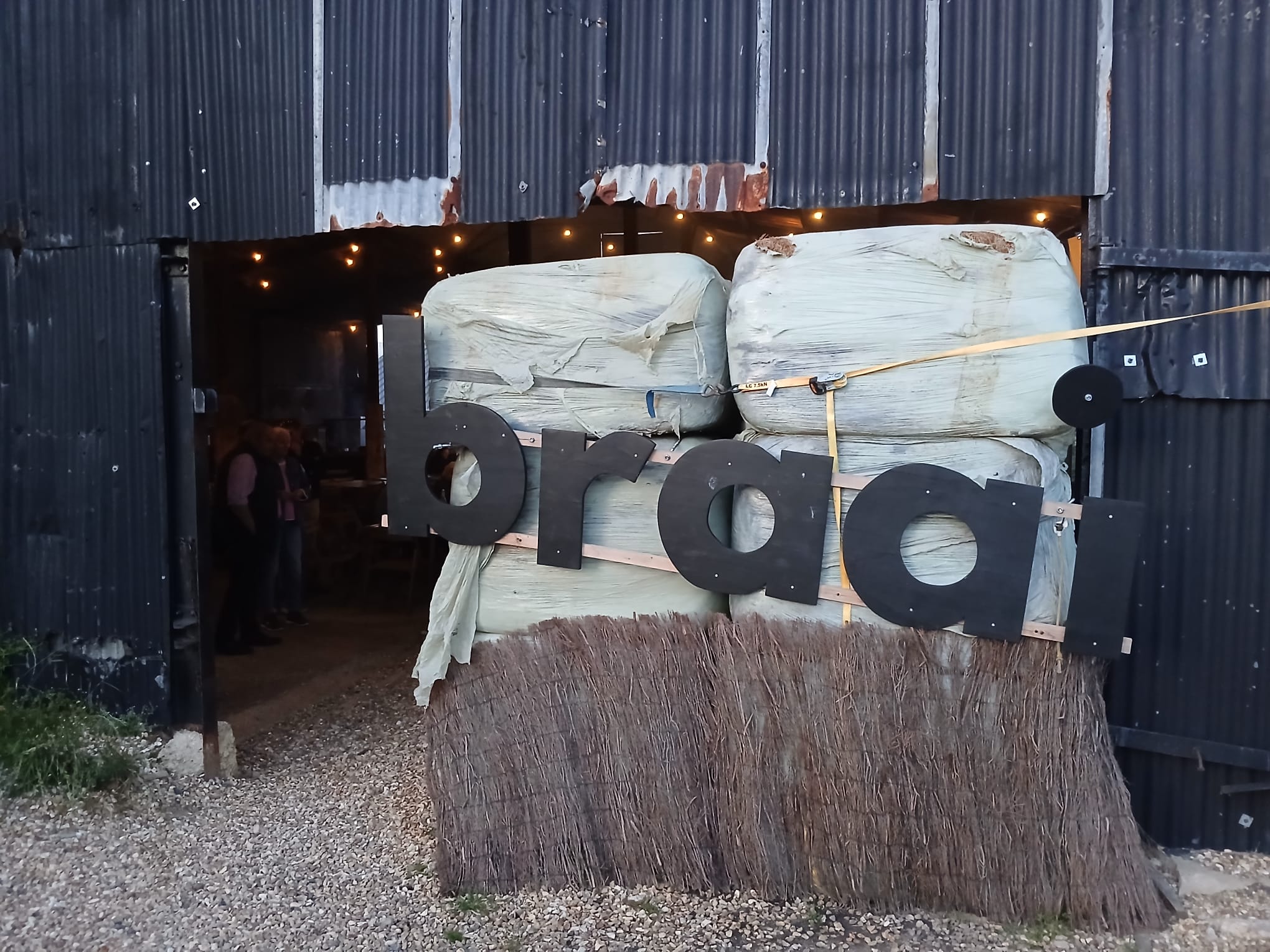
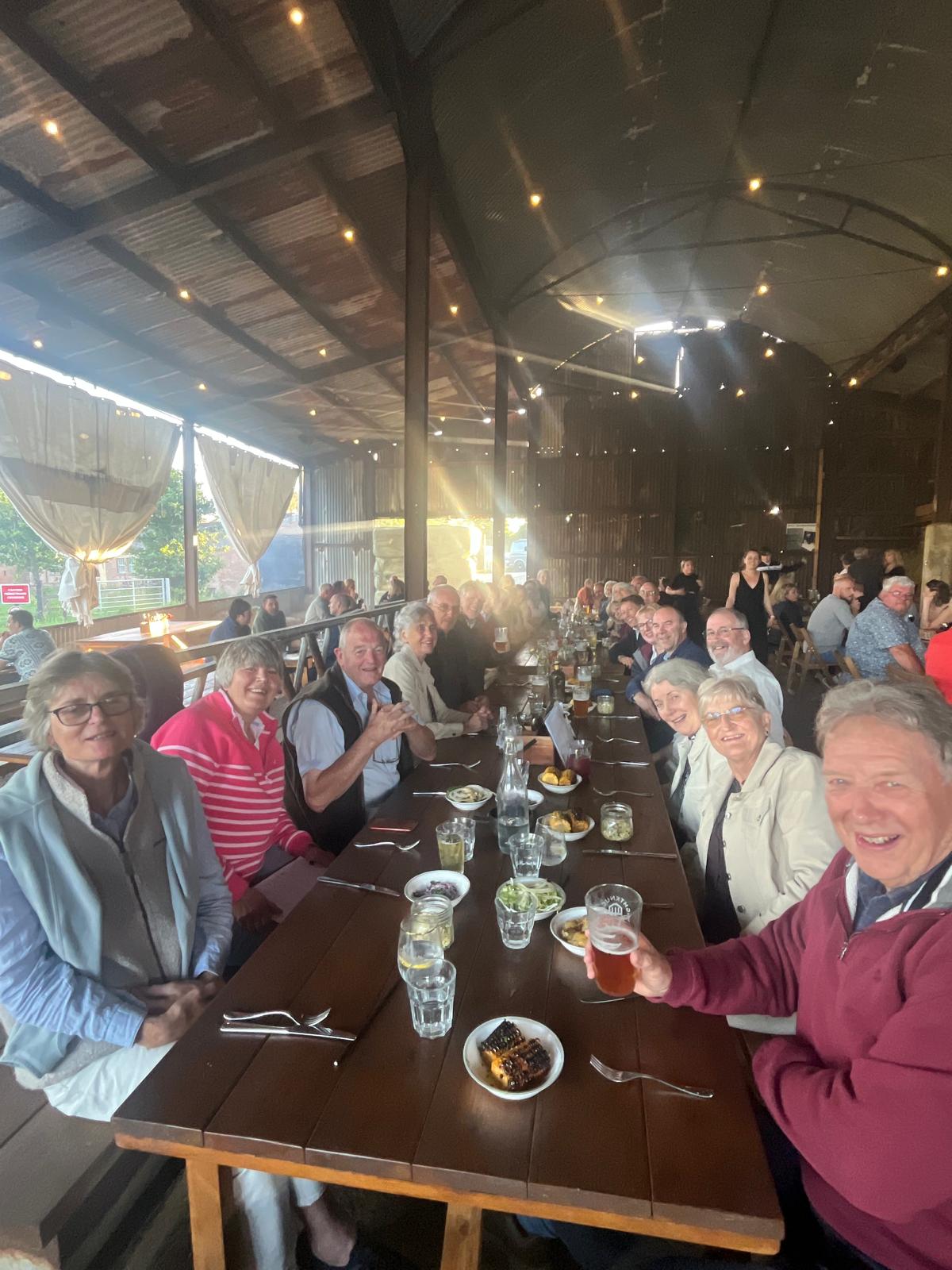
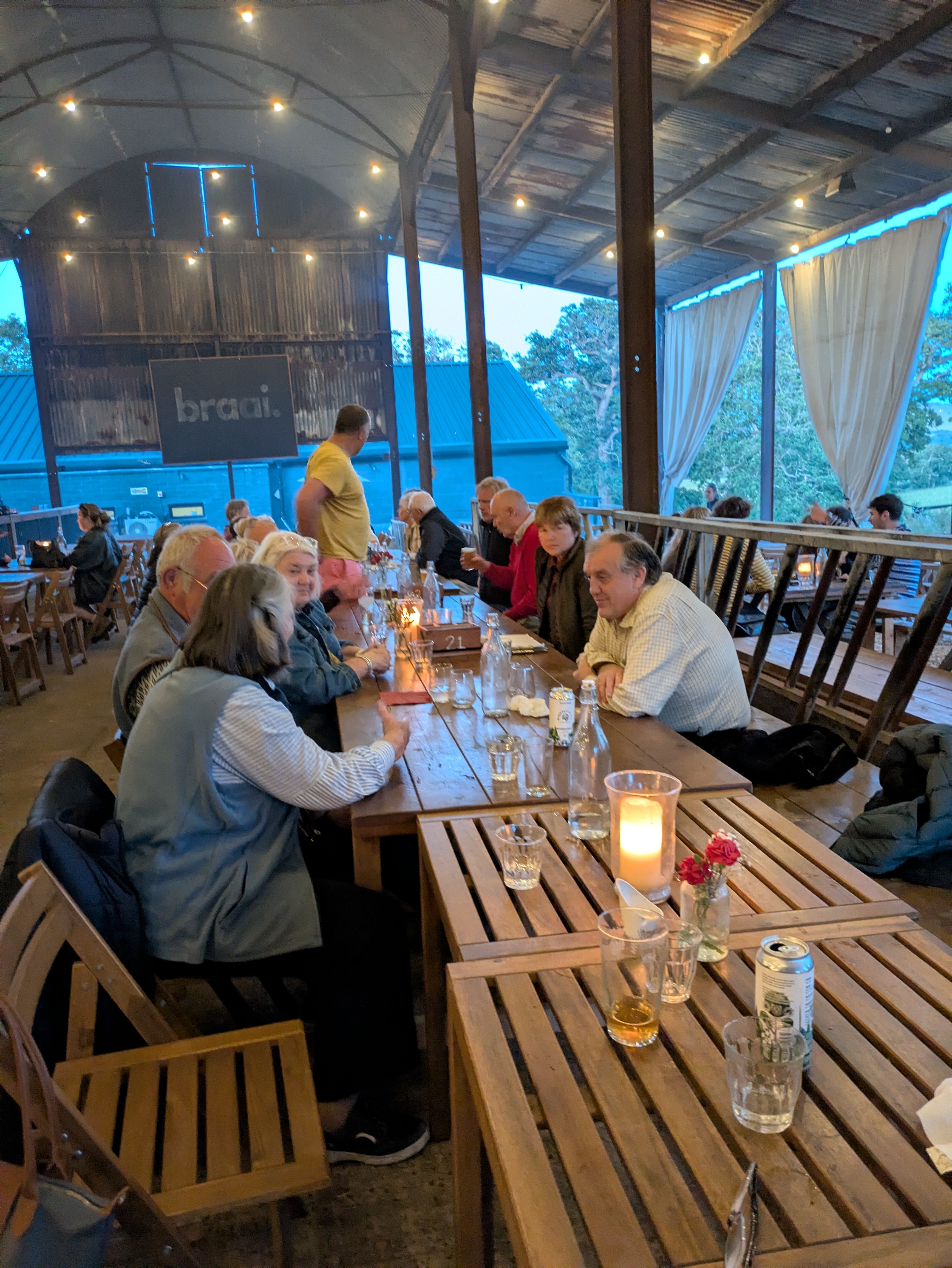
Dinner saw us visit the historical Nunwell House estate, with the Oglander family having been custodians since 1120. Rob the current custodian splits his time between the estate and piloting long haul flights to South Africa. This led to the conversion of one of the estates cattle sheds into a dinner destination in the form of Braai. The other buildings in the yard had been developed into a brewery, distillery, butchers and farm shop. The farm to fork dining experience was fantastic with everyone enjoying truly delicious meat and seafood. The long tables next to the herringbone cattle feeders added to the atmosphere and enjoyment.
Sunday was time to head back to the west of the island to visit Tom at Tapnell Farm. Set next to the original Isle of Wight 1970 festival site the farm has been transformed into a place to play, stay, eat and gather. The last fourteen years have seen a transformation from an 800 cow dairy farm to a farm park, restaurant, glamping, pods, educational residential destination and now aqua park. Along with Padel and pickleball courts and a wedding destination. The ethos has very much been what can we add and how can we do it ourselves. The container tents all being built in house as an example of this. We finished the visit with a delicious lunch in their restaurant enjoying the view over the downs.
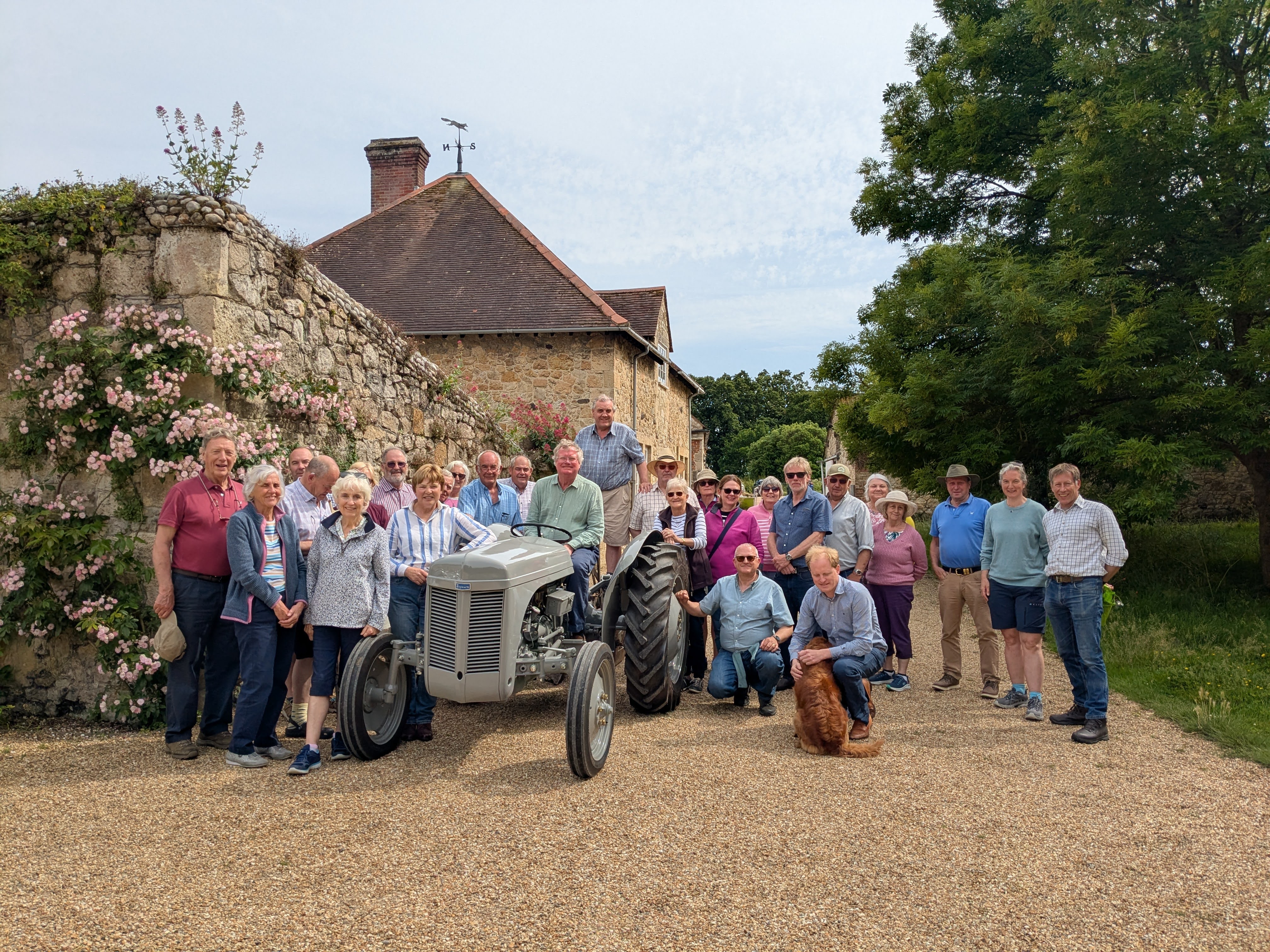
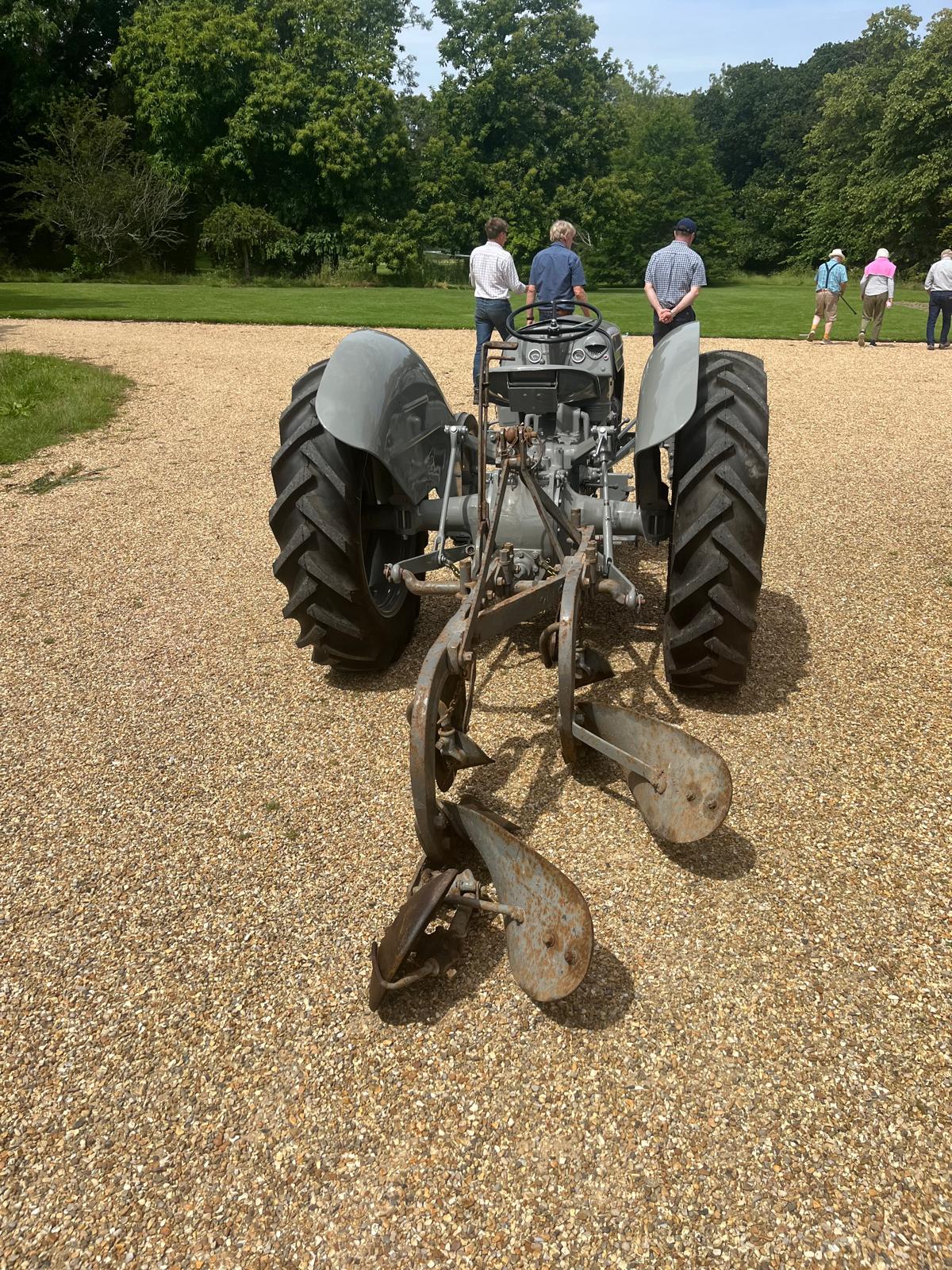
We spent the afternoon with Jamie, Susie and Charlie Sheldon at King’s Manor. Jamie started the visit by giving us a bit of family history in their private museum dedicated to his grandfather Harry Ferguson. We learnt about Harry’s other engineering achievements that were as groundbreaking as the three point linkage we’re all familiar with. The first uk powered flight with the now widespread tricycle undercarriage, to the four-wheel drive formula one car driven to victory by Stirling Moss in it’s first race. Many of his inventions were ahead of his time and frustratingly weren’t embraced as readily as they should have been.
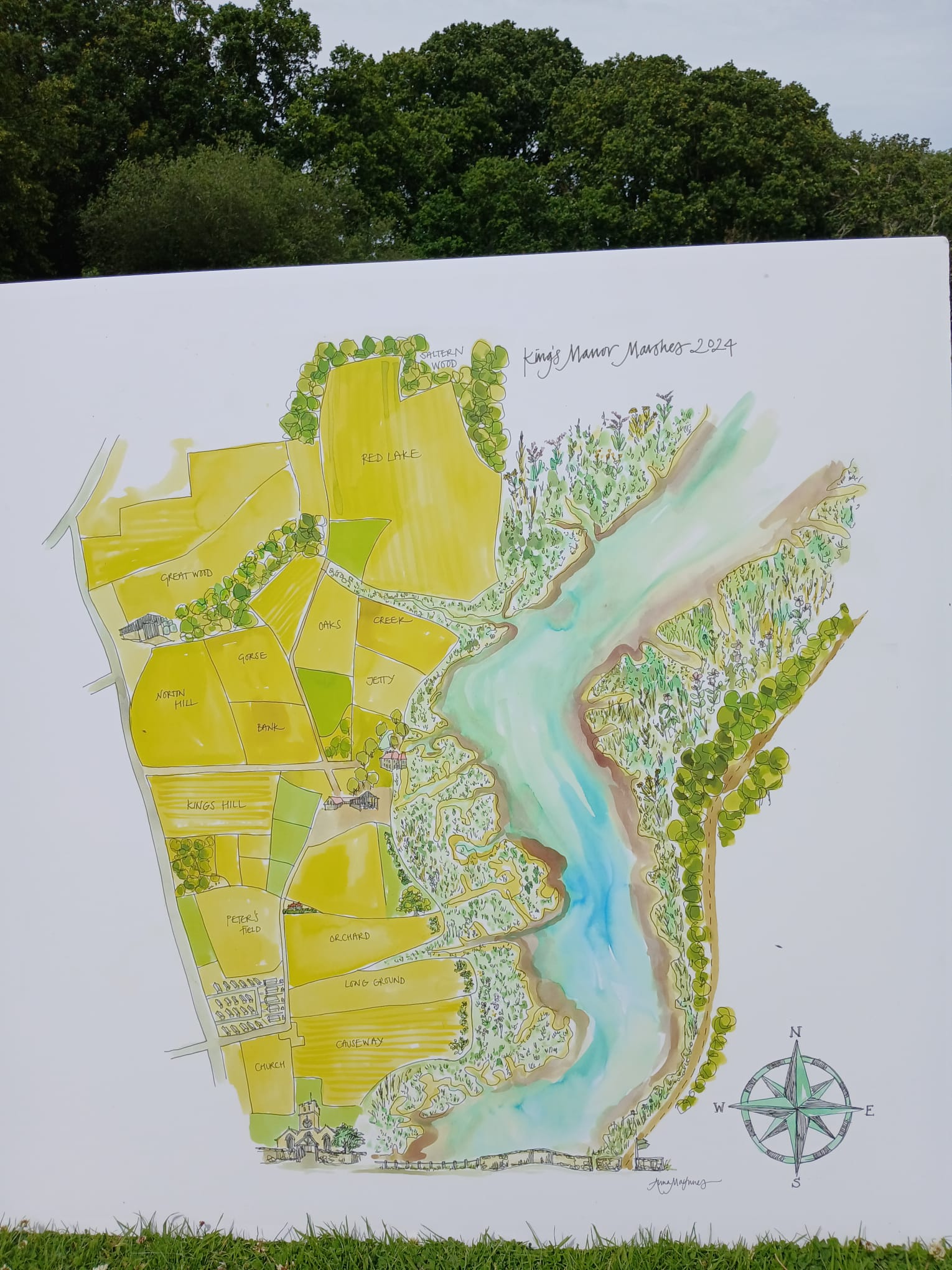
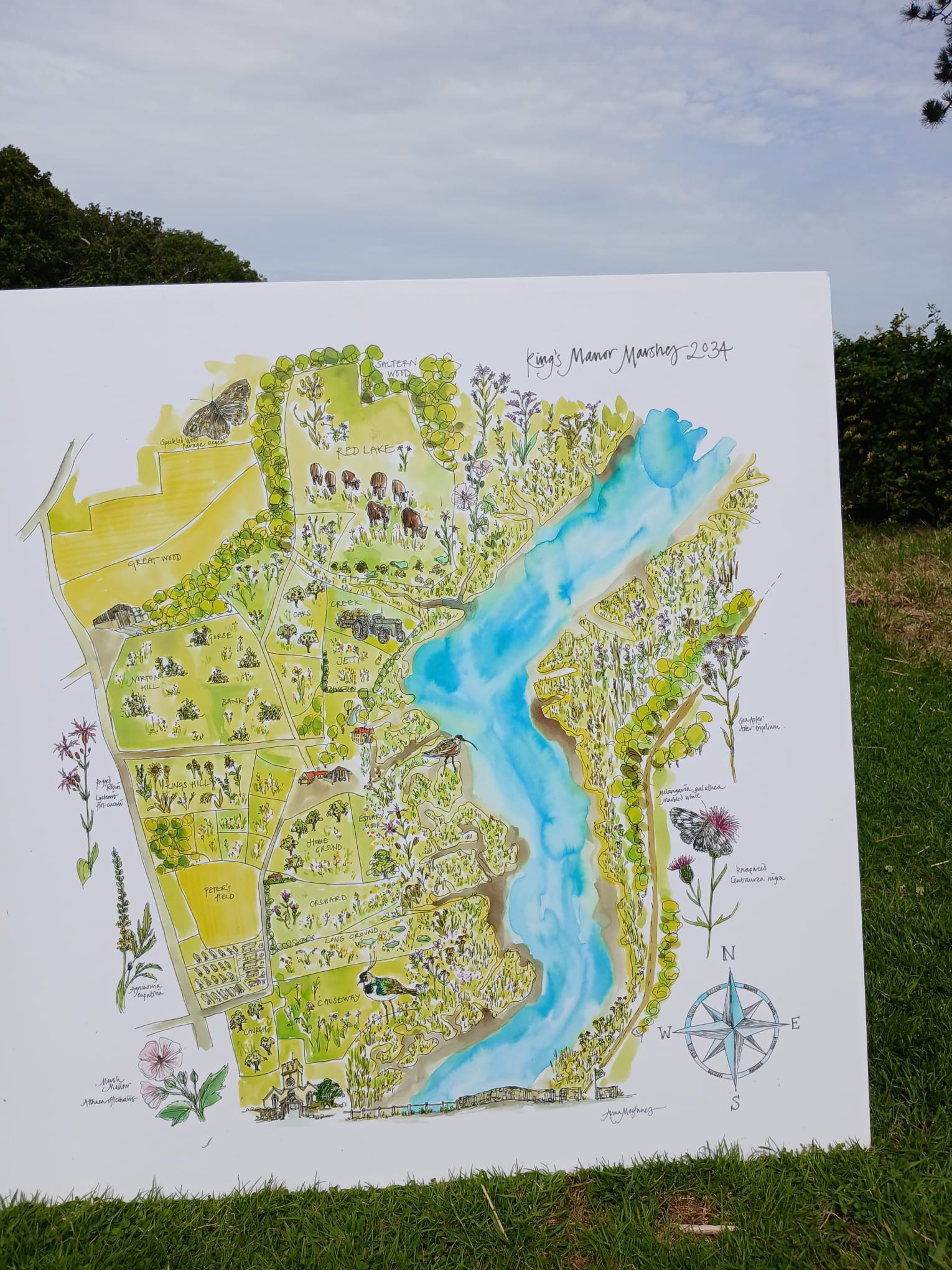
Charlie then talked us through Kings Manor Marshes and the change in direction for a large part of the farm with BNG agreements for 30 years, focusing on nutrient neutrality with water companies big investors. They even have some land in a 100 year agreement. Charlie advises farming businesses and estates on this area and admits that it’s not for most people, the amount of bureaucracy, hold ups on the legal front make it not for the faint of heart.
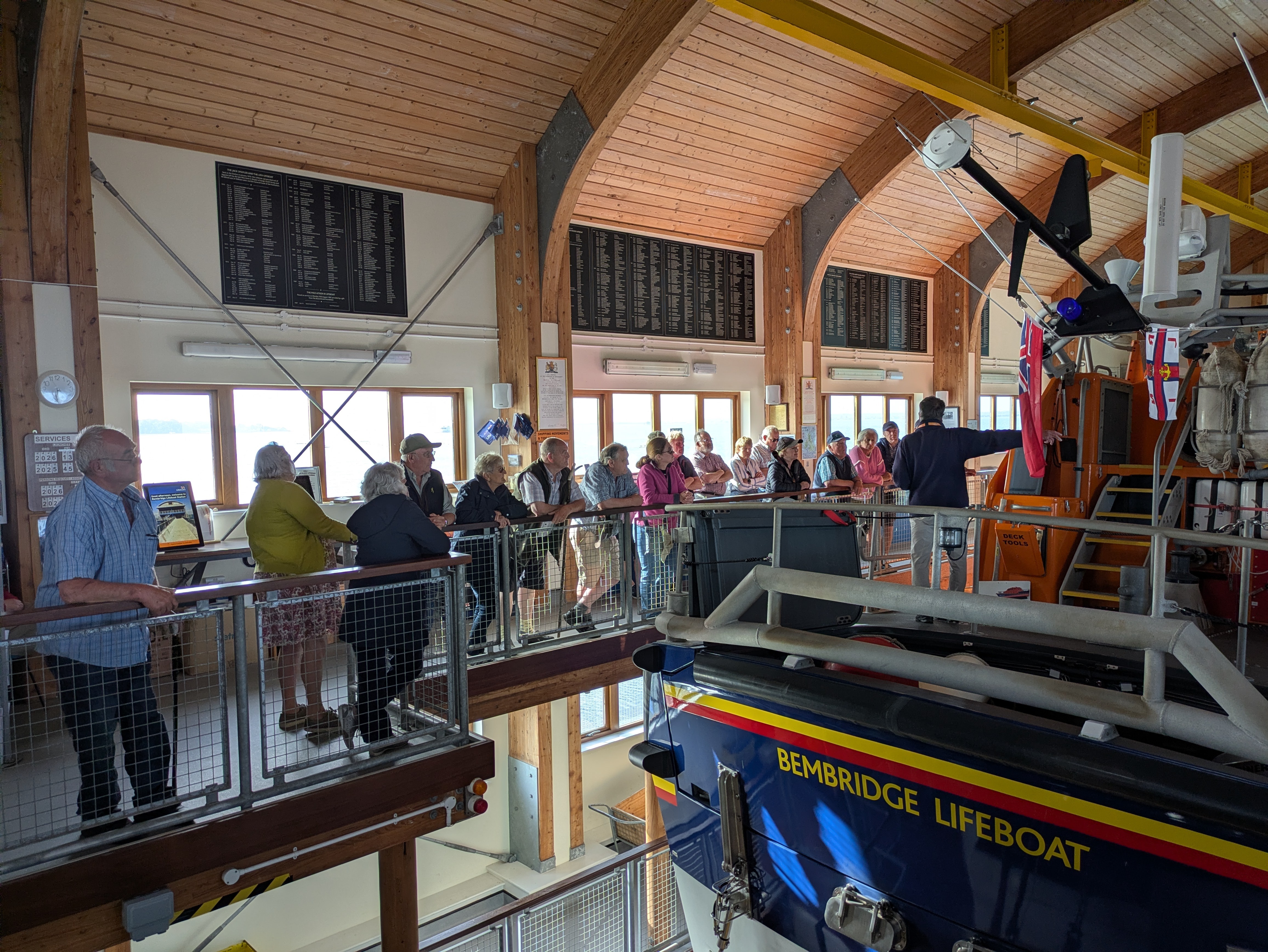
Back in Bembridge we had a guided tour of the lifeboat station, enjoying hearing both the history and the modern side to the RNLI, and the facilities past and present in Bembridge.
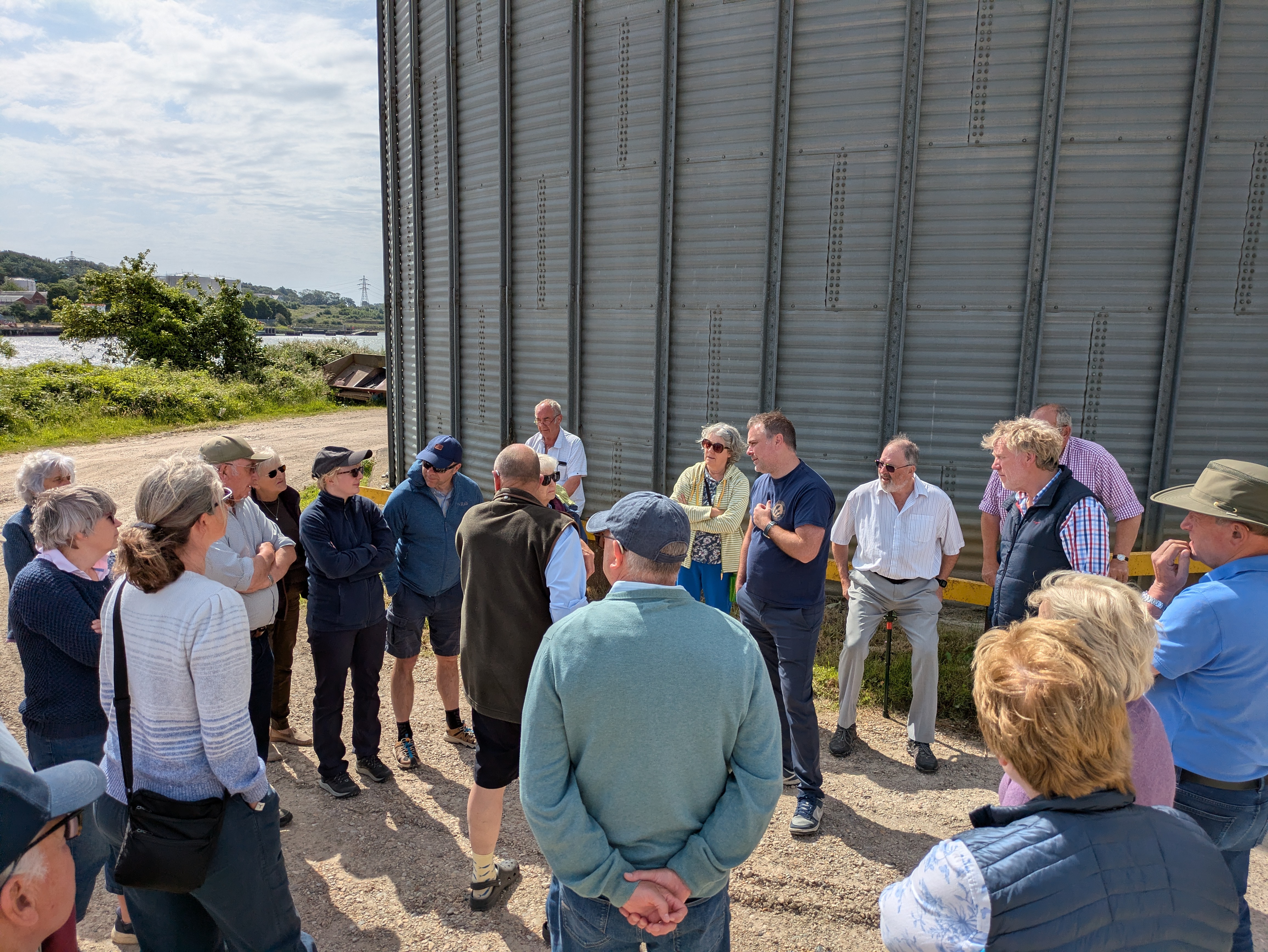
Our final visit on Monday morning was to Pete at Isle of Wight Grain. This cooperative is run as efficiently as possible to support the island’s cereal farmers. With the demise of almost all dairy herds on the island these were replaced by a couple of AD plants. This then changed the cereal land use across the island dramatically reducing the area of cereals grown for harvest. Wheat is primarily group 1 for milling with most going by boat to a Carr’s mill in Scotland. The single berth quay is shared with the next door aggregate facility and operates on a first come, first served basis – not always ideal for grain boats. Recent investments focused on reducing operational costs and both solar panels and batteries were utilised to assist with overheads. They were also now milling animal feed to help use other cereals and provide a local feed source for the island. Along with supplying flour and oilseed rape oil to businesses on the island. The visit gave us an interesting insight into the knock-on effects of changing land use/cropping choices that extend far beyond the farm gate.
Another tour complete and plenty of food for thought. It was great to see younger generations pushing their farm businesses forward in different directions. Watch this space but planning for next year’s tour is underway with Holland the likely destination.